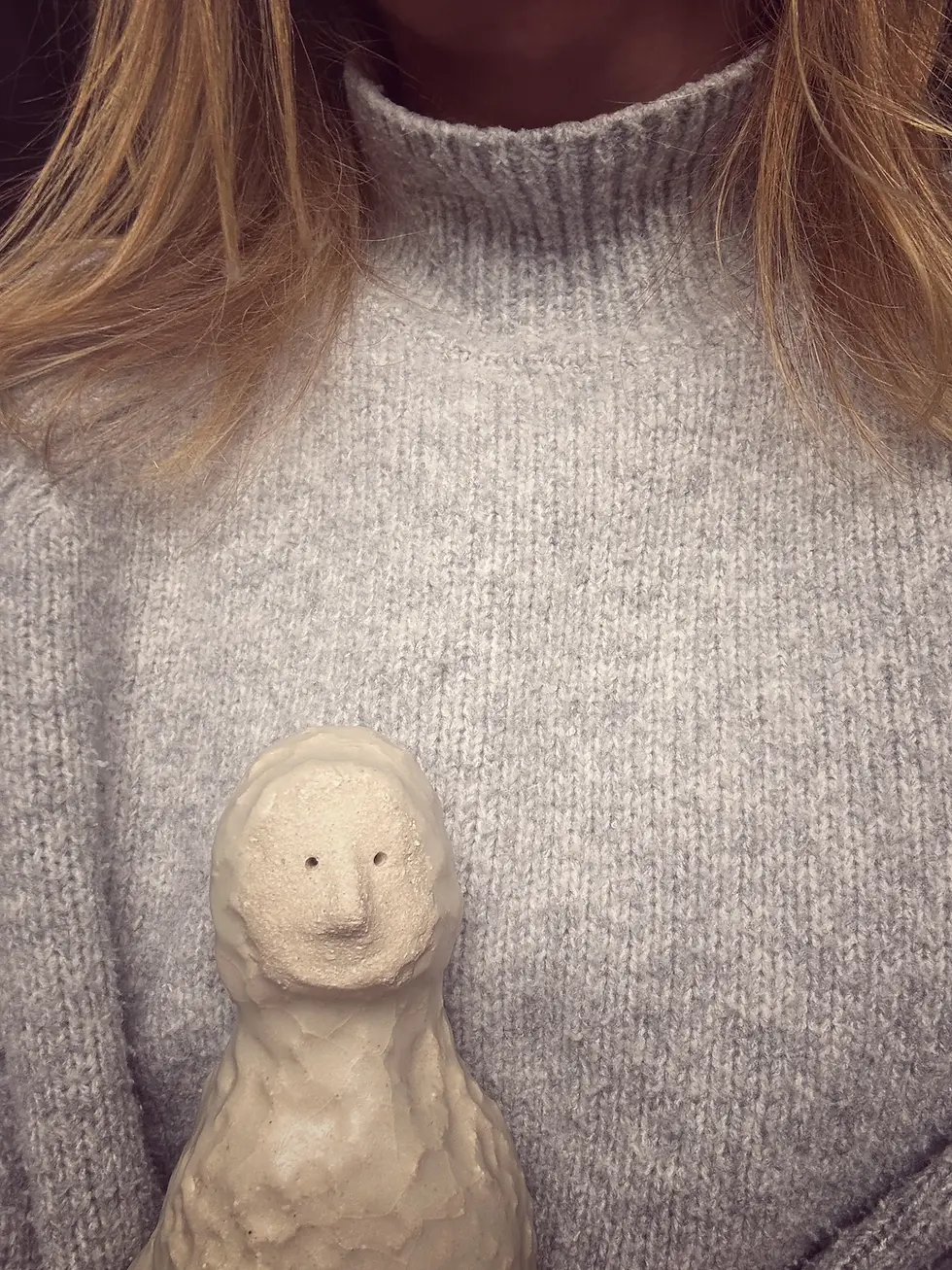
Why I Make Nummia Sculptures: Clay, Companionship and the Objects We Live With
- Mar 23
- 4 min read
Updated: Mar 28
People often ask me where the idea for Nummias came from.
The truth is, I don’t think they began as an idea at all.
After a period of change, I stepped away from my career in brand and digital marketing and returned to making with my hands - creating objects that existed physically, not just on a screen.
Clay and I hadn’t always been an easy fit - in fact, we’d spent a long time not getting along at all. But with a little more patience (and a bit more life behind me), I found myself drawn back to it. (You can read more about that here.)
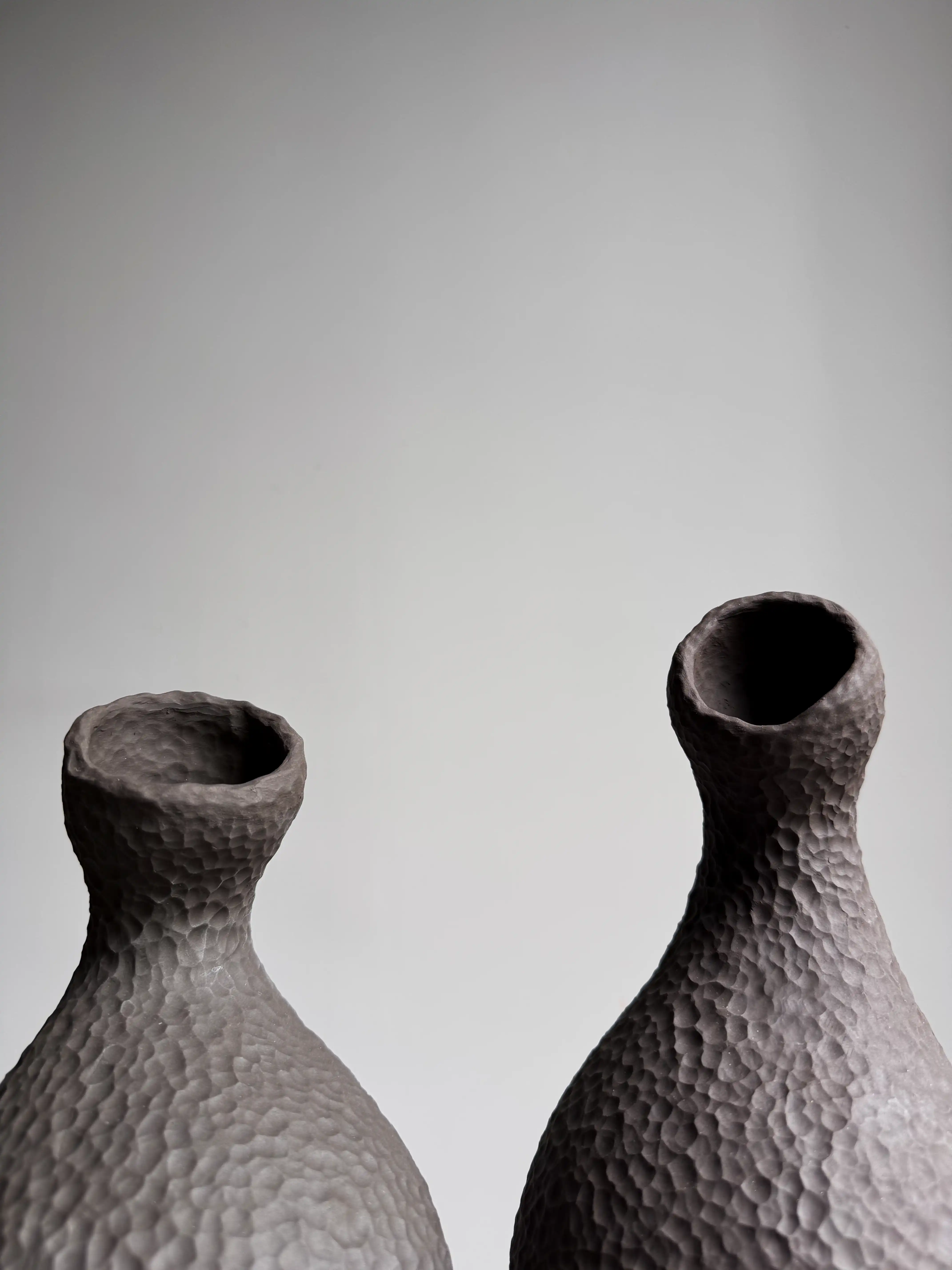
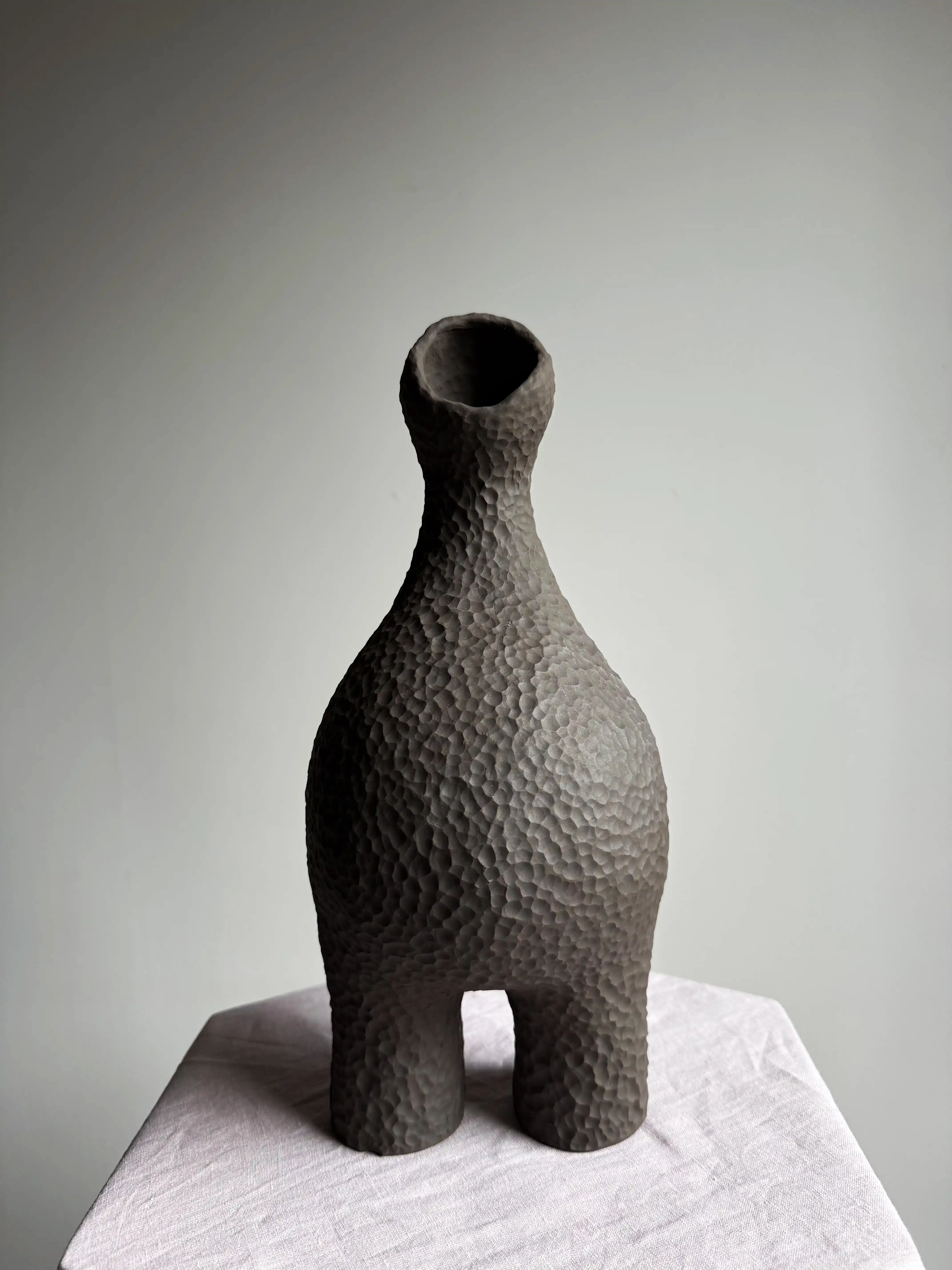
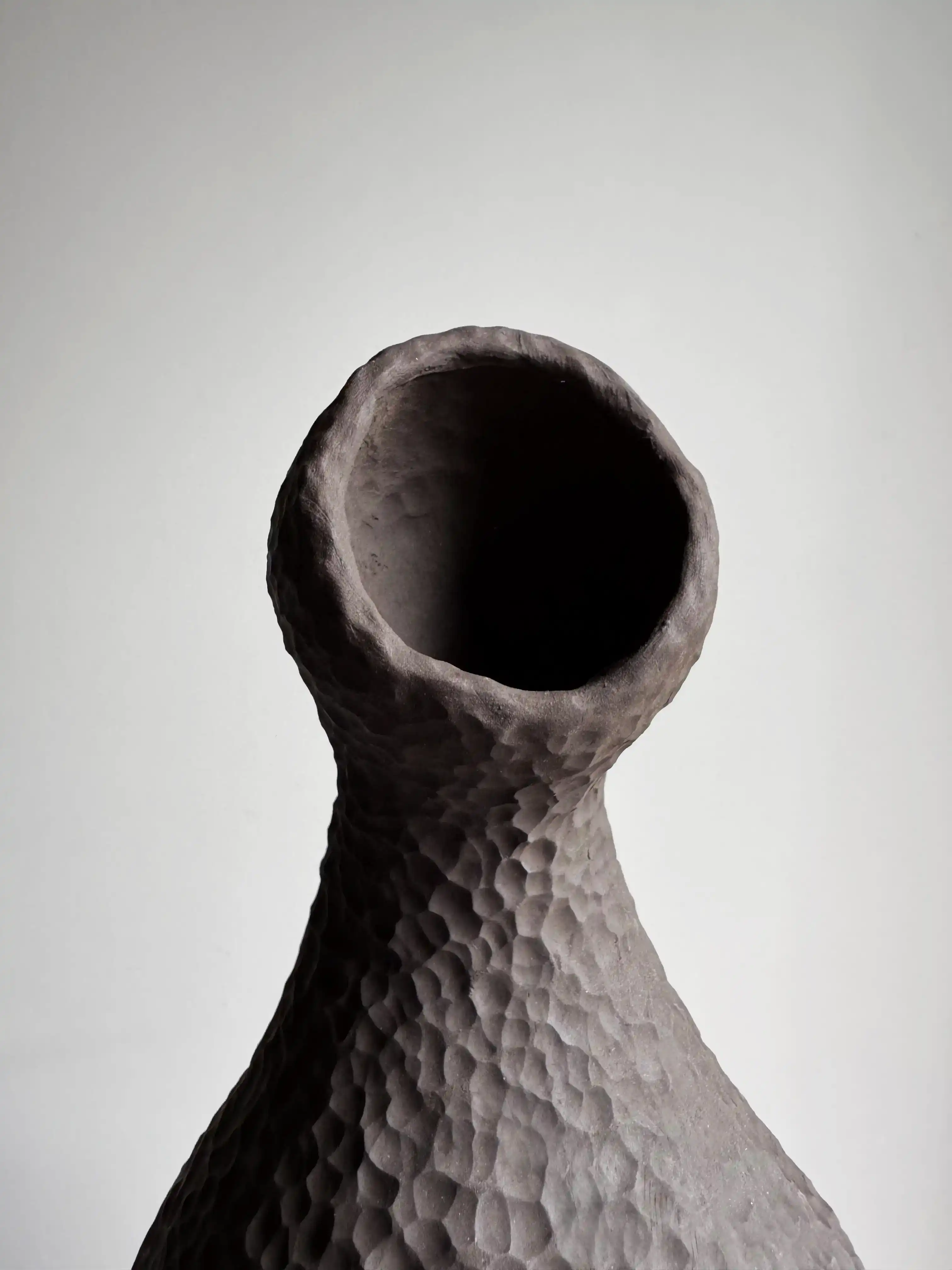
At first, I felt both inspired and slightly out of my depth, but I kept things simple and let the process lead. I explored larger sculptural forms. Chit Chat was a series of paired vessels with elongated necks, leaning towards each other in poses that suggested conversation. Around the same time, I created Precious to Me - more childlike forms, with bowl-shaped heads designed to hold the small, meaningful things we choose to keep.
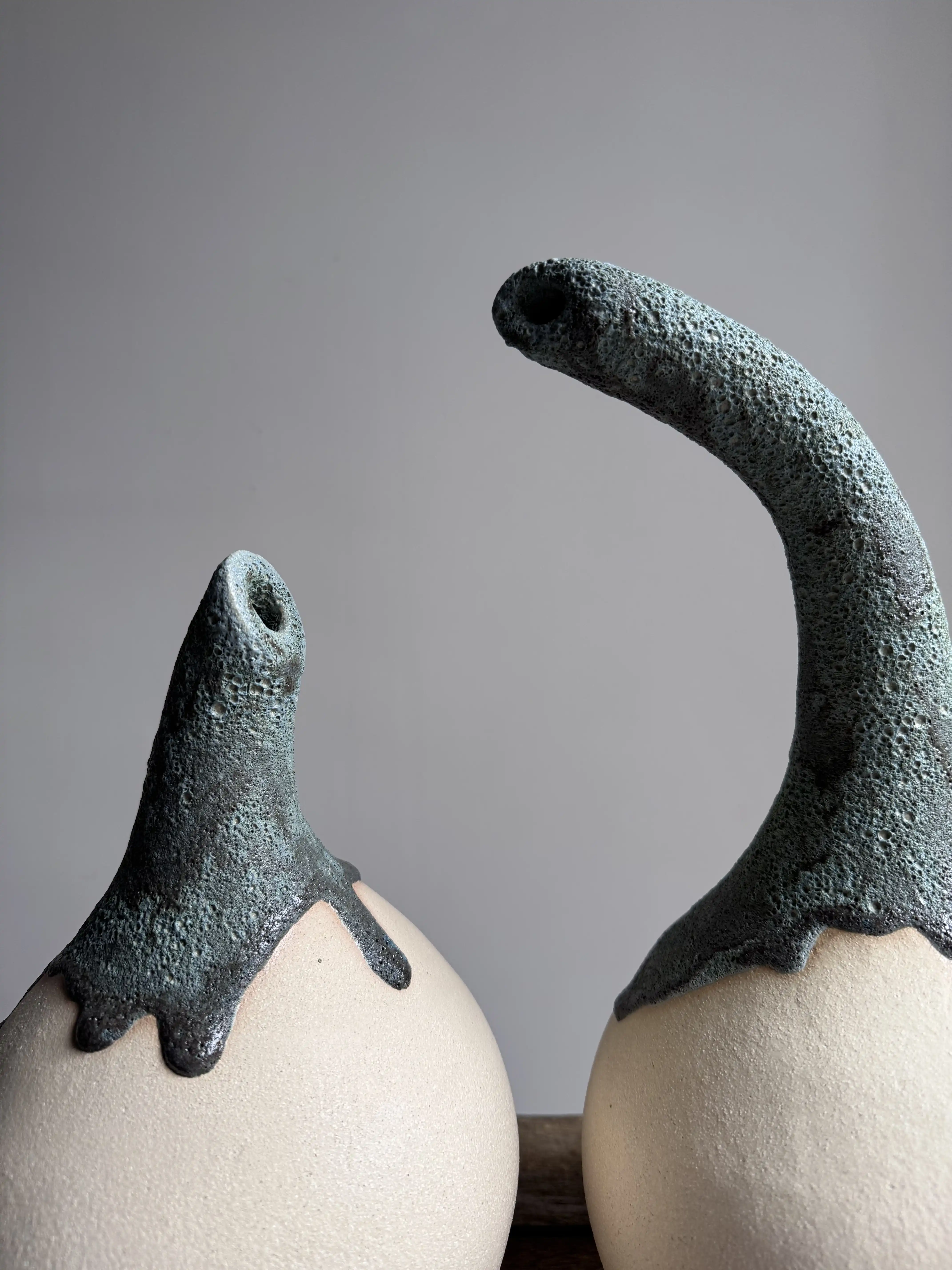
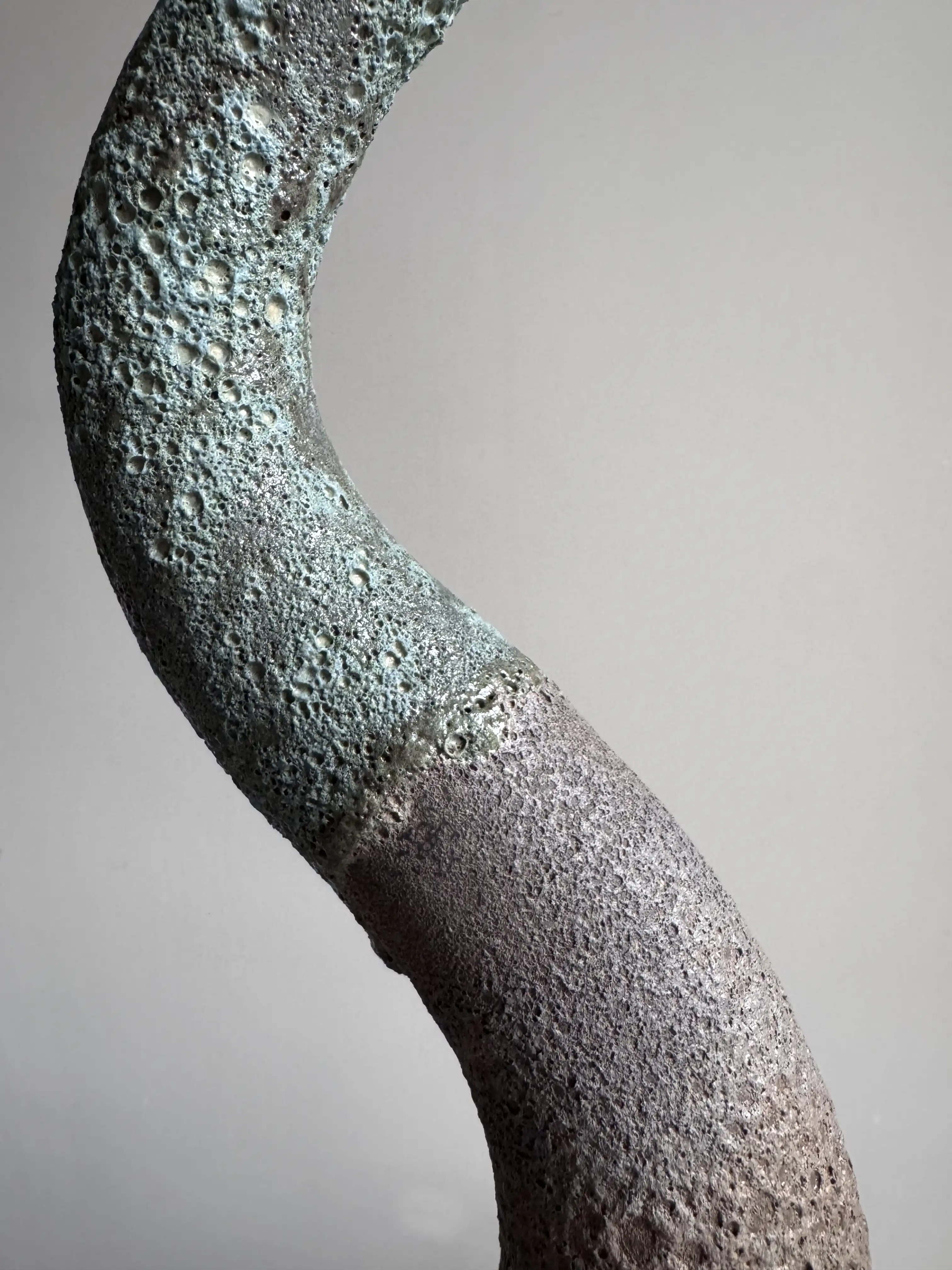
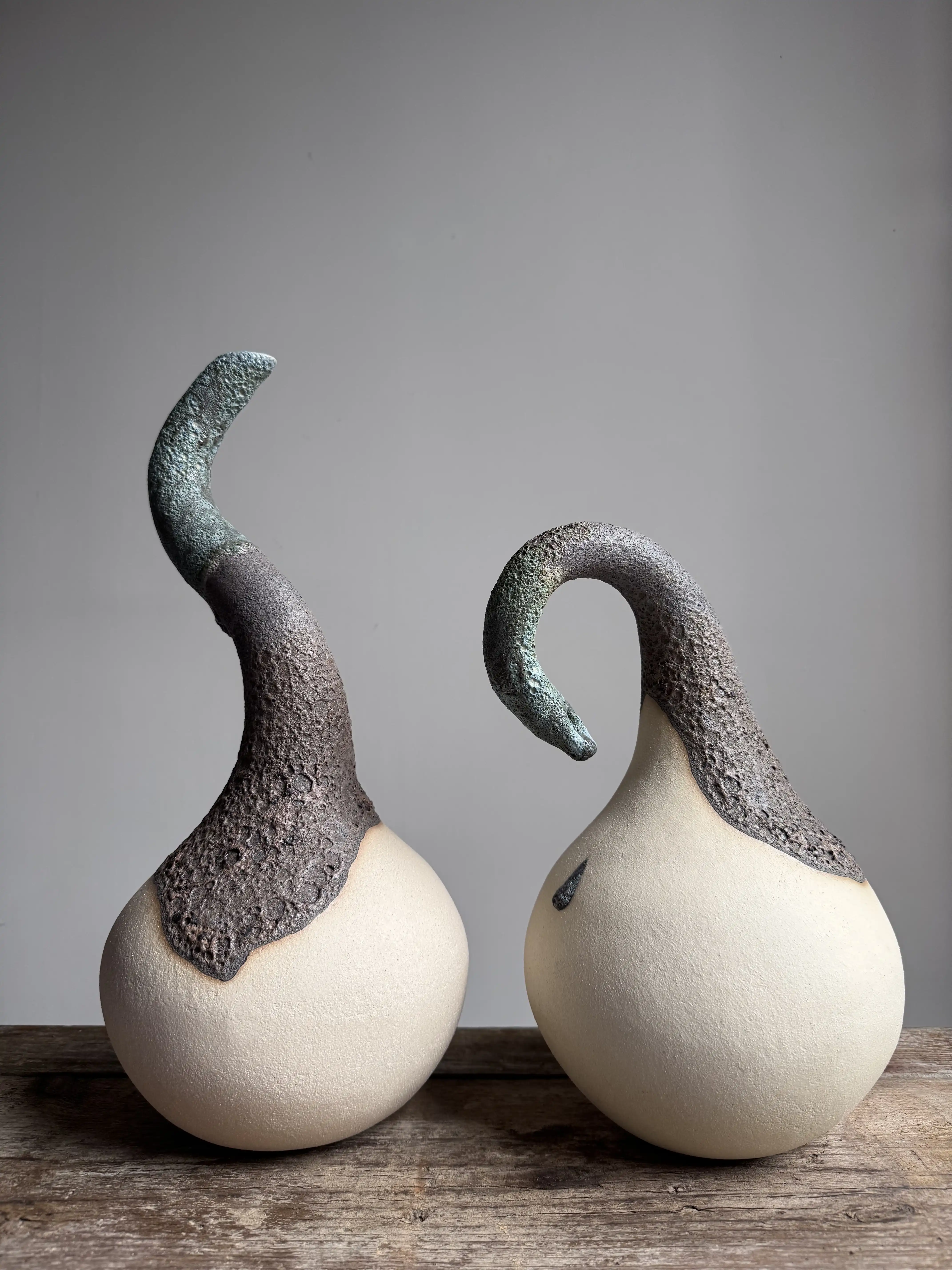
But over time, I realised it was the simplest forms that brought me the most joy - the moment a face appeared, everything felt different.
There was a playfulness in it, a kind of innocence. The forms became less serious, yet somehow more meaningful. They no longer felt like objects, but something closer to companions - quiet, devoted vessels with their own presence and personality.
And that was the beginning of Nummias.

The habit of giving objects a life of their own
Looking back, it doesn’t feel entirely new.
I’ve always had a habit of assigning personalities to objects.
Like most children, I named toys and invented small worlds for them. I even had an imaginary friend called Mick, who my mum says she believes was small enough to fit in my hands.

The instinct to assign names and personalities - perhaps it’s just love - never really left me. I’ve done it for as long as I can remember.
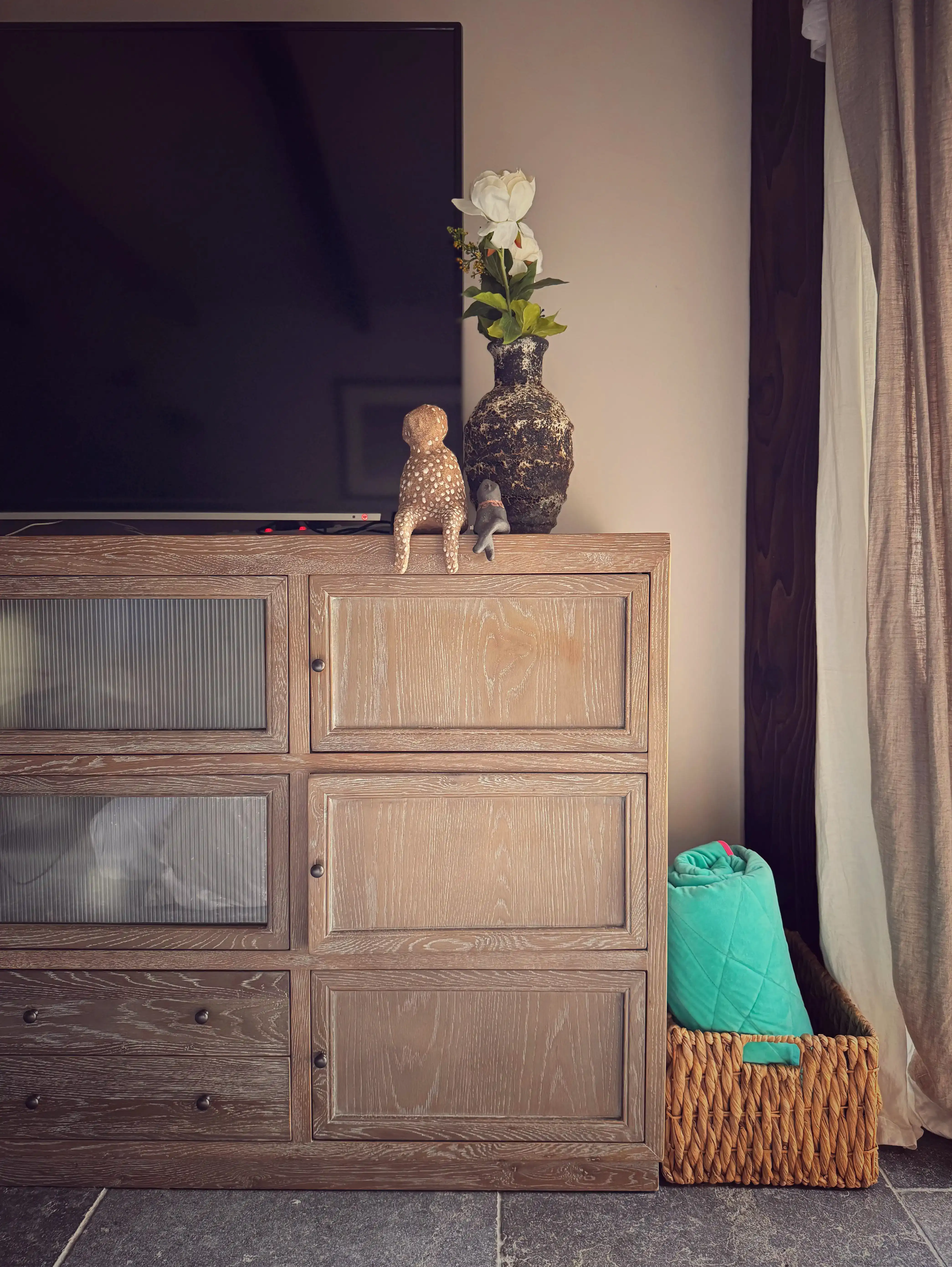
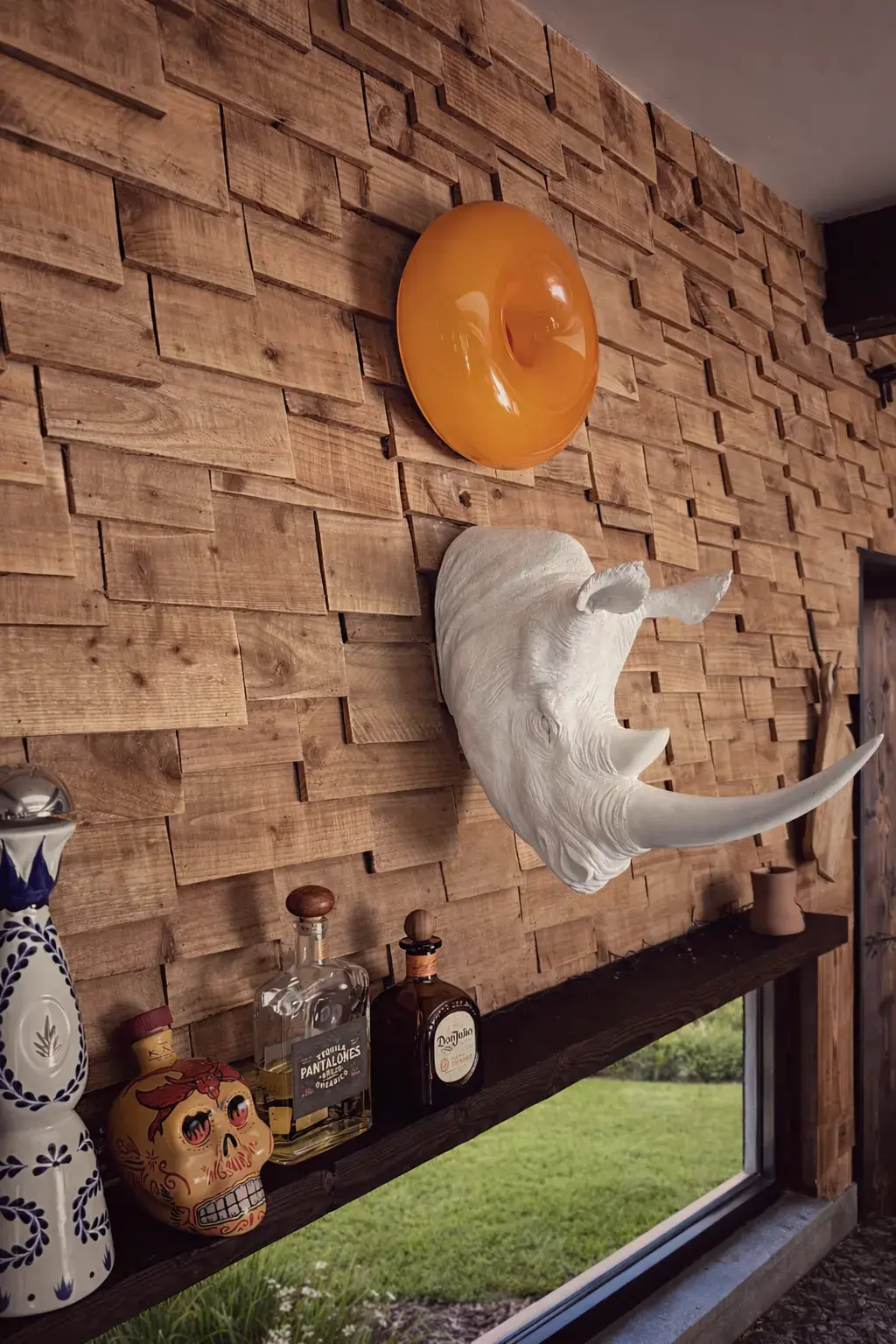
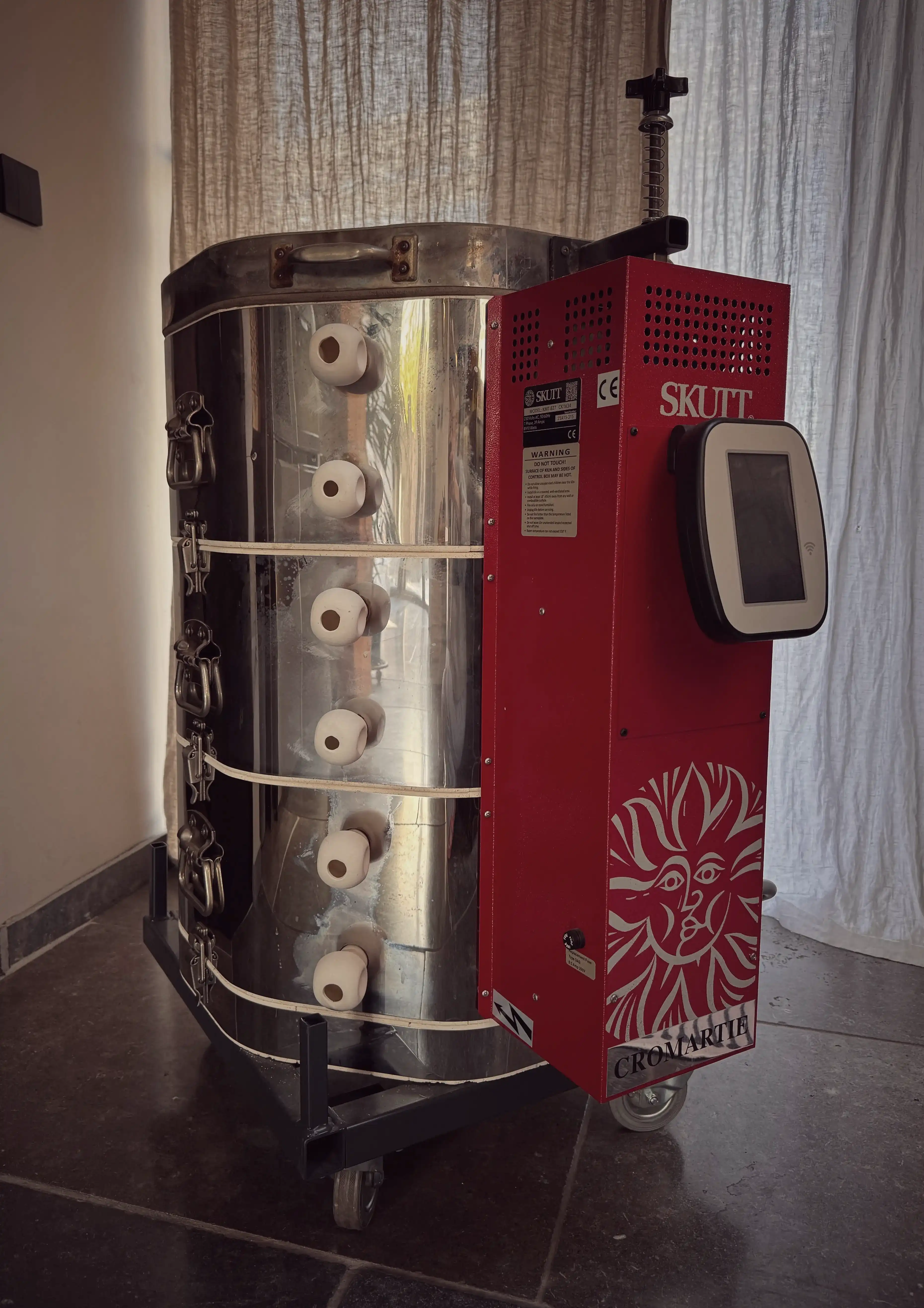
Around my home you’ll still find Pablo the sideboard - solid, dependable, quietly supportive - and Roxanne the rhino who guards the tequila shelf. My kiln is known as Big K, and she receives regular pep talks on firing days.
I know it sounds a little bonkers, but humans have always done this.
Across cultures and centuries there’s been a quiet sense that objects might carry something more than their physical form; some philosophical ideas even propose that consciousness itself may be woven into the fabric of the universe.
I’m not claiming that sculptures are alive, but I do believe objects can hold presence.
Why humour matters
One of the things I love most about the Nummias is their sense of humour.
Some look thoughtful.
Some look mildly dramatic.
Some appear to have just overheard gossip.
And a few look suspiciously like they are the gossip.

That playfulness matters. Humour has a way of softening difficult days and reminding us not to take everything quite so seriously.
Perhaps that’s why my sculptures resonate with people. They aren’t loud or demanding objects. They simply exist quietly in a space, offering a small moment of curiosity or amusement whenever someone glances their way.
What clay does to the mind
Working with clay also changed something for me personally.
I’ve lived with anxiety for as long as I can remember. It’s the background noise that has accompanied much of my life. Over time I’ve learned that small grounding rituals matter - the kinds of activities that bring your attention back to the present moment.
Clay does that perfectly for me.
It asks you to slow down and doesn’t respond well to rushing or forcing. You have to work with it rather than against it.
There’s something deeply calming about that rhythm - the simple process of shaping, adjusting, and waiting. In a world that often feels fast and noisy, clay encourages a slower pace.
The moment that really reopened my relationship with clay came during a ceramic workshop with Karina Smagulova in London, where I began exploring the coiling technique again after years away from ceramics (read that blog here).

Companionship rather than loneliness
I've been asked if my sculptures are about loneliness.
Yes and no.
A Nummia doesn’t solve loneliness, and it isn’t meant to replace human connection. What it offers is something gentler: a sense of presence in a room.
The same way a photograph can feel comforting simply by being there.
Nummias become familiar companions in the background, quietly observing the rhythm of daily life - small witnesses to ordinary moments.
Over time these devoted vessels grow quietly loyal to the lives unfolding around them.
Why small things matter
As I’ve grown older, I’ve become increasingly aware of time and how quickly it passes (three children will do that). I'm becoming more aware of how we inherit memories, and how they layer and shift over time.
The things we keep close - the objects we live alongside every day - accumulate meaning. They become markers of moments, reminders of people, fragments of personal history.
Nummias reflect that idea.
They begin as simple pieces of clay, but over time they become something more - quiet companions that share the spaces where life unfolds.
And every time a new face appears in the clay, it still feels a little like meeting someone for the first time ♥️
If you’d like to see where that process leads, you can explore the current Nummias in the shop.